01 · A
Problem
With only a small set of public jacket-design examples, the team could not treat a larger neural model as a substitute for evidence. The system had to connect data experiments, structural simulation, search and engineering review.
Sparse data to inspectable trade-offs
A research platform that connects sparse design data, OpenSees evaluation, evolutionary search and two-space Pareto analysis for offshore jacket concepts.
TL;DR
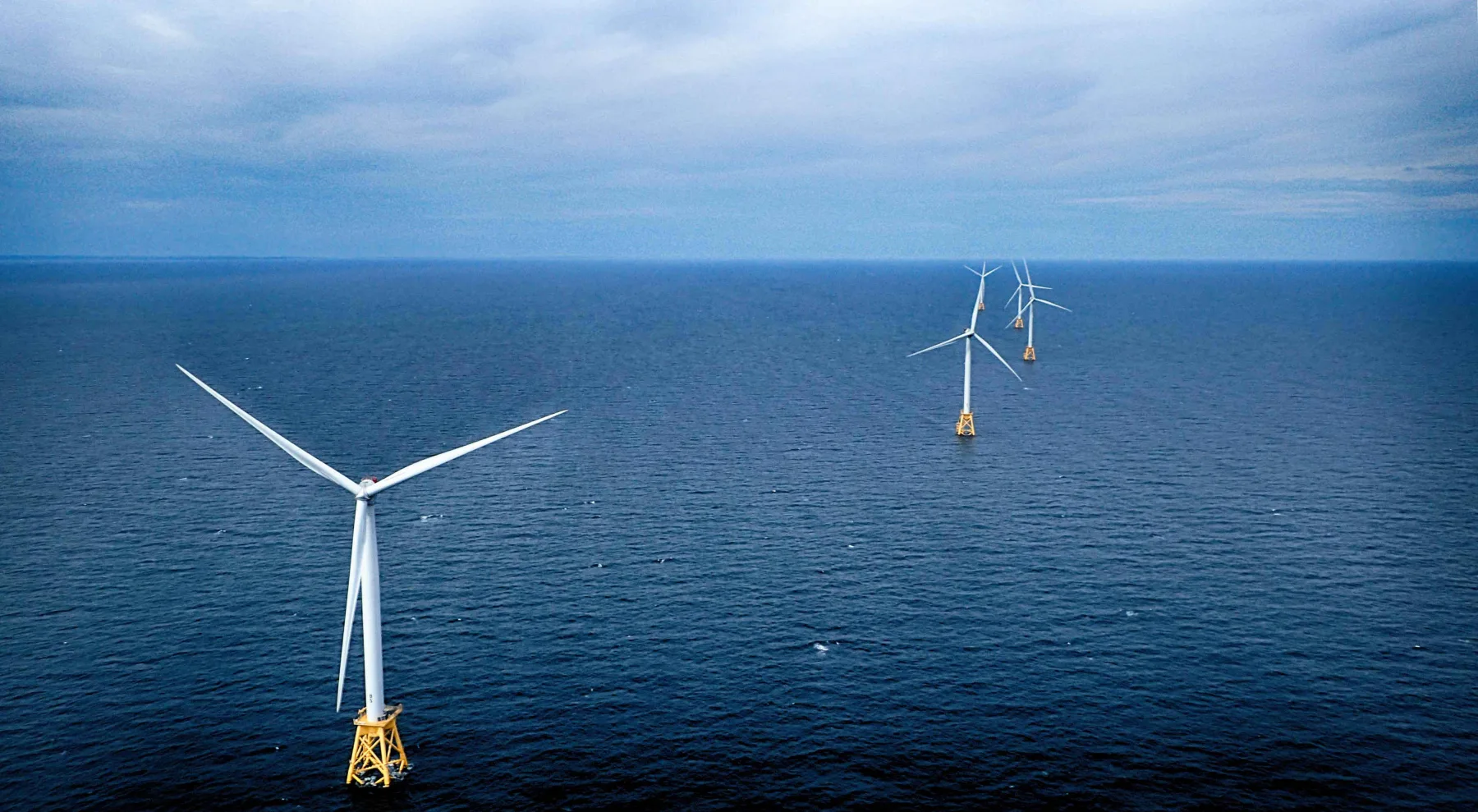
01 · A
With only a small set of public jacket-design examples, the team could not treat a larger neural model as a substitute for evidence. The system had to connect data experiments, structural simulation, search and engineering review.
01 · B
The research moved from tabular-data synthesis and structured prediction experiments toward an interactive Flask/Socket.IO platform for OpenSees-backed NSGA-II and GA runs.
Jacket design has no single best answer across weight, utilization, dynamics and constructability. Engineers need feasible, explainable candidate families—not an opaque optimum label.
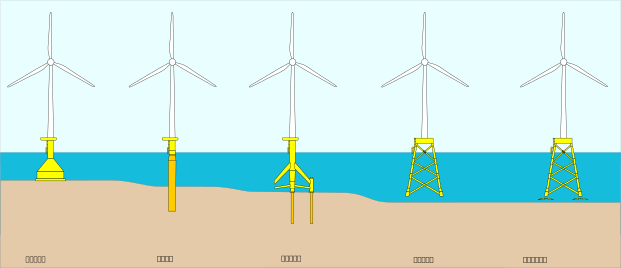
Public design examples were scarce, so synthetic rows needed field-level distribution checks.
Multi-output predictions could violate relationships between structural fields.
OpenSees evaluation is expensive and failed candidates need deterministic handling.
The four objectives are normalized weight, a resonance penalty when natural frequency approaches the turbine's rated operating frequency, leg stress level and brace stress level; stress levels closer to zero are safer.
A large Pareto set still requires interpretable post-analysis.
Research choices
Sparse data required several experiments. I distinguish my own exploratory work from the team's final model.
Synthetic tabular-data experiments
Joint multi-output prediction
Table-to-text inspired prediction
Sequentially predicts structural fields
System path
Compare synthetic-data variants with field-level distribution distances
Explore structured multi-output and table-to-text prediction paths
Build jacket geometry and calculate OpenSees responses
Search, stream generations and inspect Pareto families in two spaces
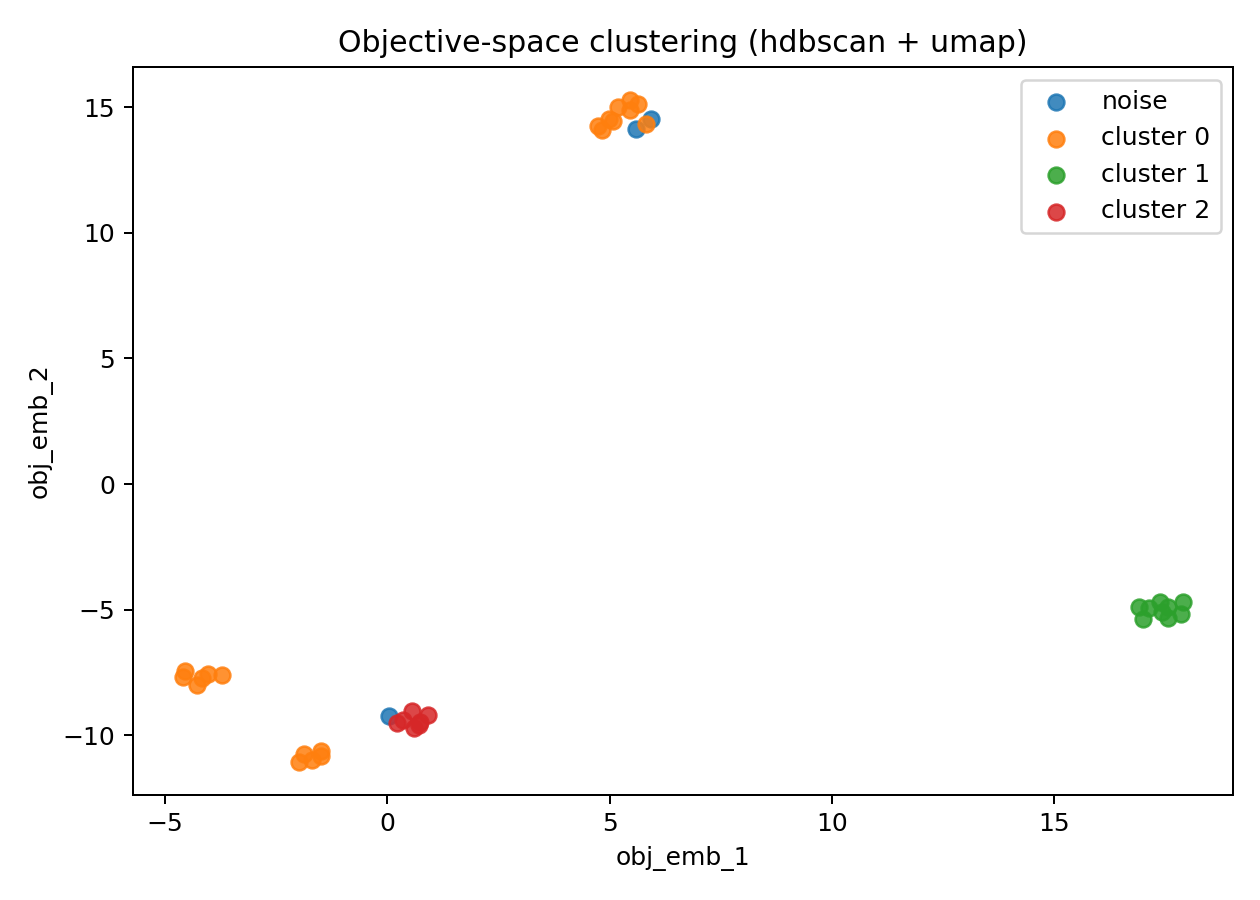
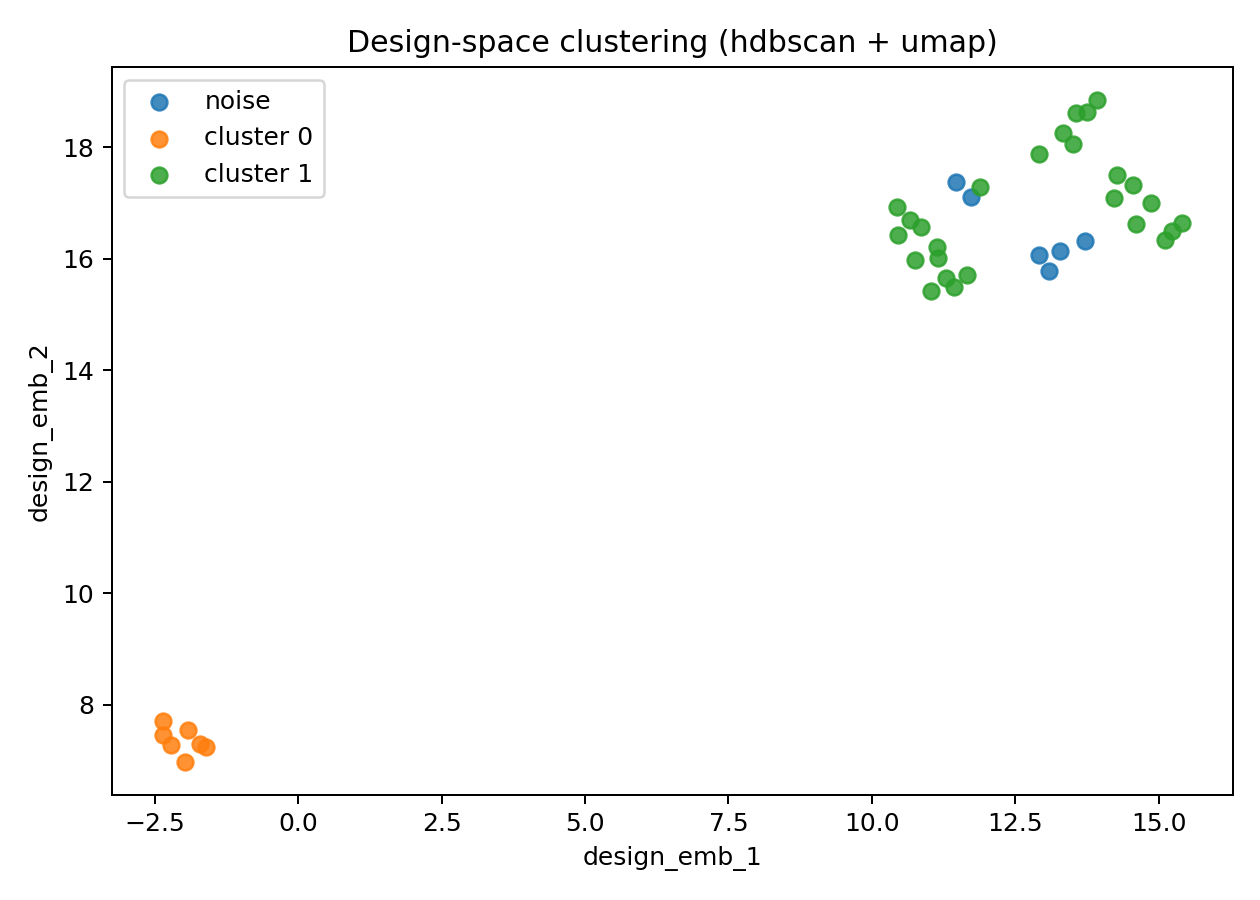
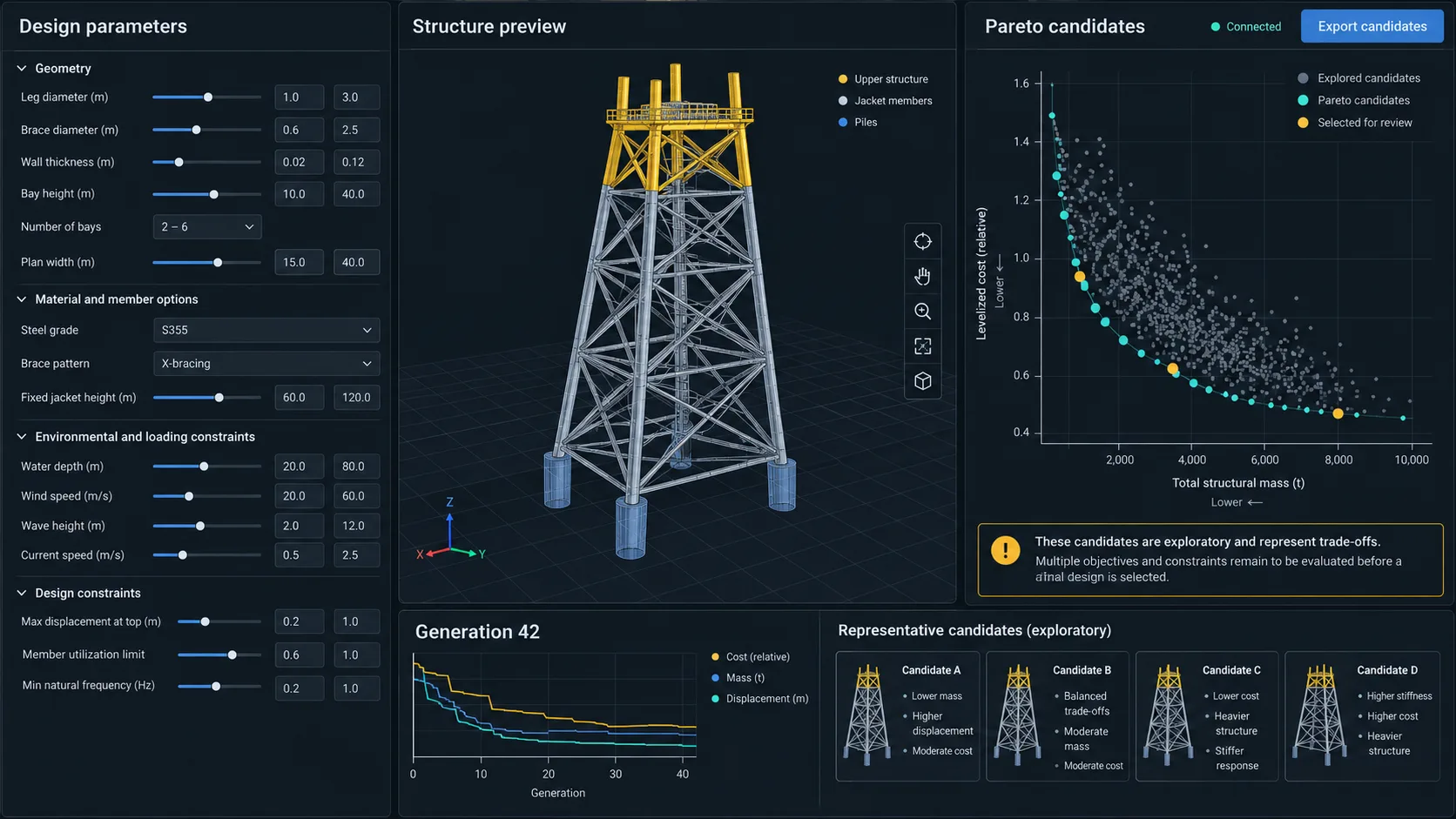
I use this workflow illustration to bring parameters, a structural preview, generation progress and Pareto candidates into one view, while keeping the candidates explicitly exploratory.
Optimization loop
The web layer does not replace the engineering loop. It makes inputs, failures, generations and trade-offs visible while OpenSees remains inside evaluation.
Geometry, material and environmental inputs
Build a candidate structure
Evaluate structural objectives and failures
Generate the next population
Cluster two spaces and select representatives
Key trade-offs
Structured MLP and GPT-2 SFT explorations are recorded as investigated paths, not relabeled as the adopted team model.
A WebSocket connection makes long evolutionary runs inspectable; streamed candidates are not certified designs.
Objective-space clusters explain trade-offs; design-space clusters explain structural families.
04 · A
04 · B
01A research platform creates value by exposing failures, progress and trade-offs—not only an algorithm name.
02Prediction can seed a search, but engineering decisions need inspectable simulation and human judgment.
What I can share
I built this research prototype to explore the application, OpenSees/optimization workflow and two-space clustering. It supports candidate review; engineering validation and convergence certification remain outside its scope.
Public sources