All projects04 / 09
Day-ahead price forecasting × constrained optimization
Energy-Storage Revenue Optimization: From Price Forecast to Daily Schedule
Forecast accuracy and decision value must be evaluated separately.
- Period
- —
- Scale
- ~35,000 fifteen-minute observations
- Role
- Three-person team lead
- Core stack
- Python · scikit-learn · XGBoost · pandas
TL;DR
- Problem
- Each day offers at most one complete arbitrage cycle: charge continuously for two hours, then discharge continuously for two hours. The challenge is not to find one lowest and one highest point, but to choose a legal and robust pair of windows from the full price curve.
- Core approach
- Configuration-driven offline training and inference from raw market and weather inputs to daily forecasts.
- Result / limit
- The final plan uses an explicit three-column contract—time, predicted price and power—with separate diagnostics for forecast and decision quality.
Story opening
A daily forecast only matters when it picks a legal operating window
Each day offers at most one complete arbitrage cycle: charge continuously for two hours, then discharge continuously for two hours. The challenge is not to find one lowest and one highest point, but to choose a legal and robust pair of windows from the full price curve.
Every day is divided into 96 fifteen-minute intervals. Forecast load, wind, solar, intertie, hydropower and non-market generation are combined with numerical weather predictions to estimate the next day's real-time price curve. The output pairs time and predicted price with the battery power plan.
System path
Keep price prediction and scheduling connected, but inspectable
- ① Align
Join complete market days with weather forecasts, keeping time zones and feature availability explicit.
- ② Forecast
Compare chronological price-curve candidates without allowing future-derived state into a validation fold.
- ③ Evaluate
Read price error alongside the value and stability of the resulting charge/discharge choice.
- ④ Schedule
Enumerate legal charge-before-discharge windows and validate the time, predicted-price and power output.
What was implemented
A checkable output contract
The final plan keeps time, predicted price and power in an explicit three-column contract so forecasting diagnostics and operating decisions can be inspected separately.
Lower RMSE
① wrong windowsHigher RMSE
② right windowsThe price curve reflects a system, not a single generator
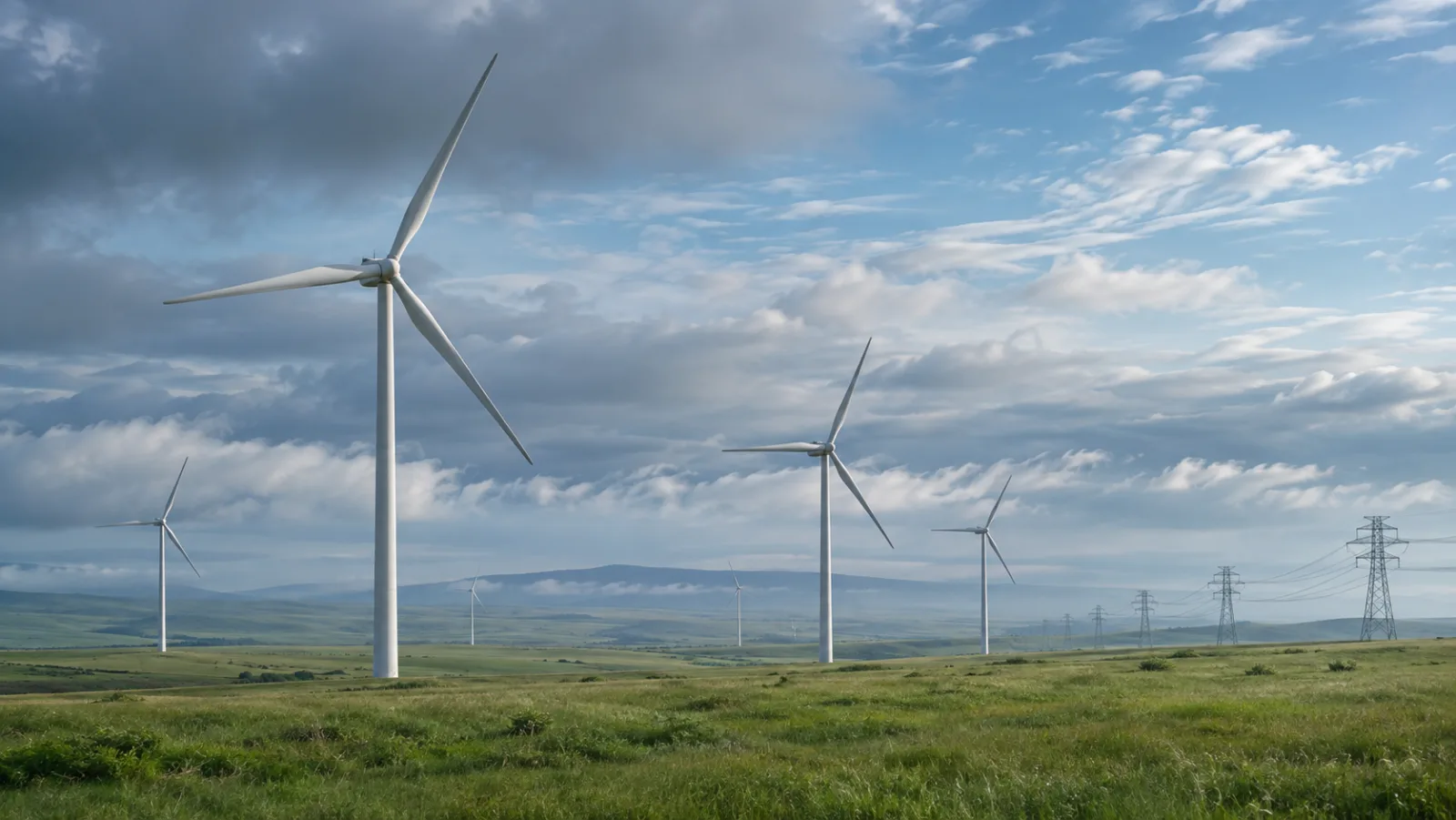
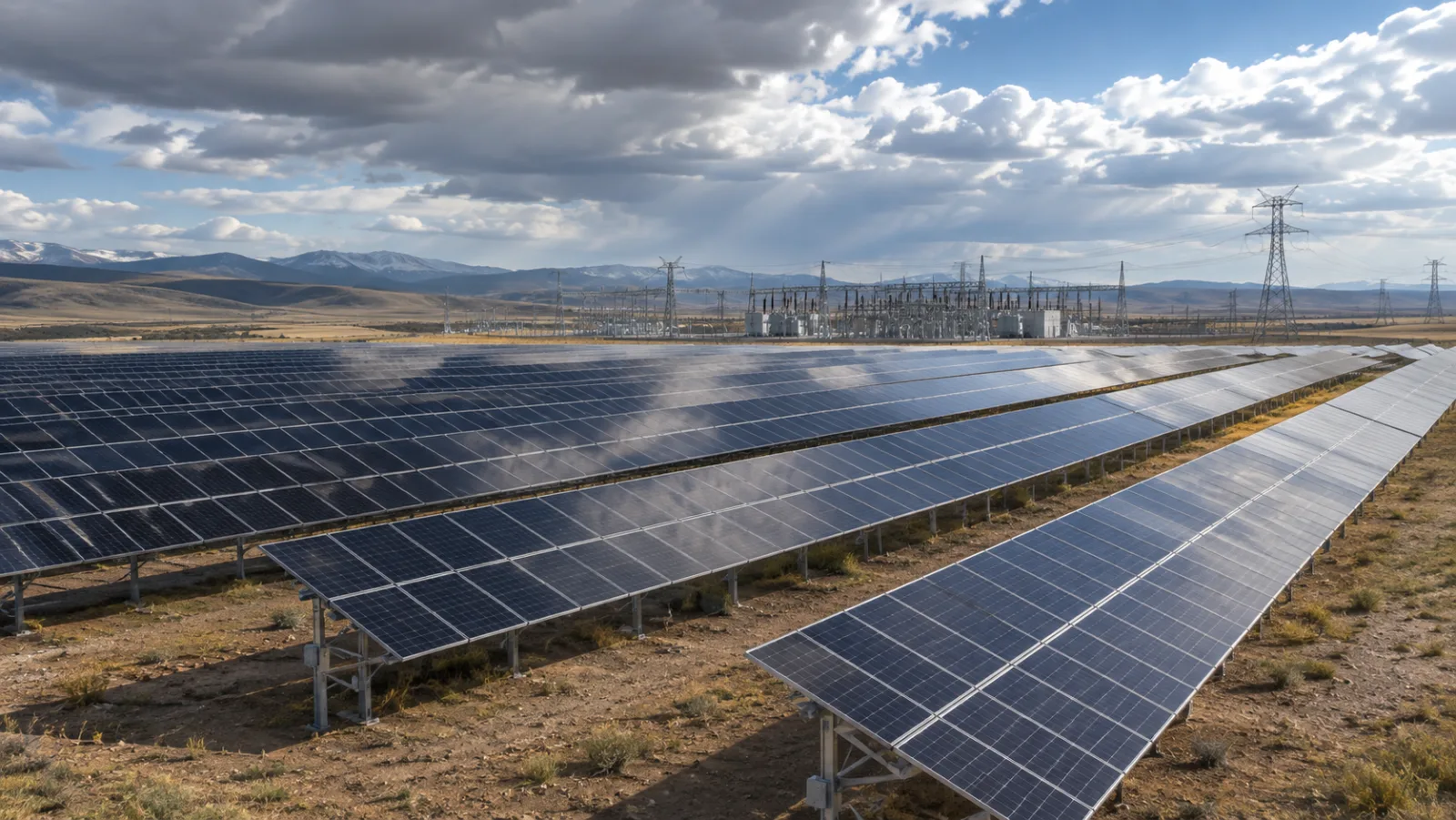

Wind, solar and conventional generation are contextual inputs to the price curve; the images are source-attributed context, not project evidence.
Sources & scope
Scope
Project scope: an offline study for a simplified intraday storage task. The policy selects at most one fixed two-hour charging window and one two-hour discharging window per day. Battery efficiency, degradation cost, trading fees, cross-day state of charge and live market execution are outside this case study.